
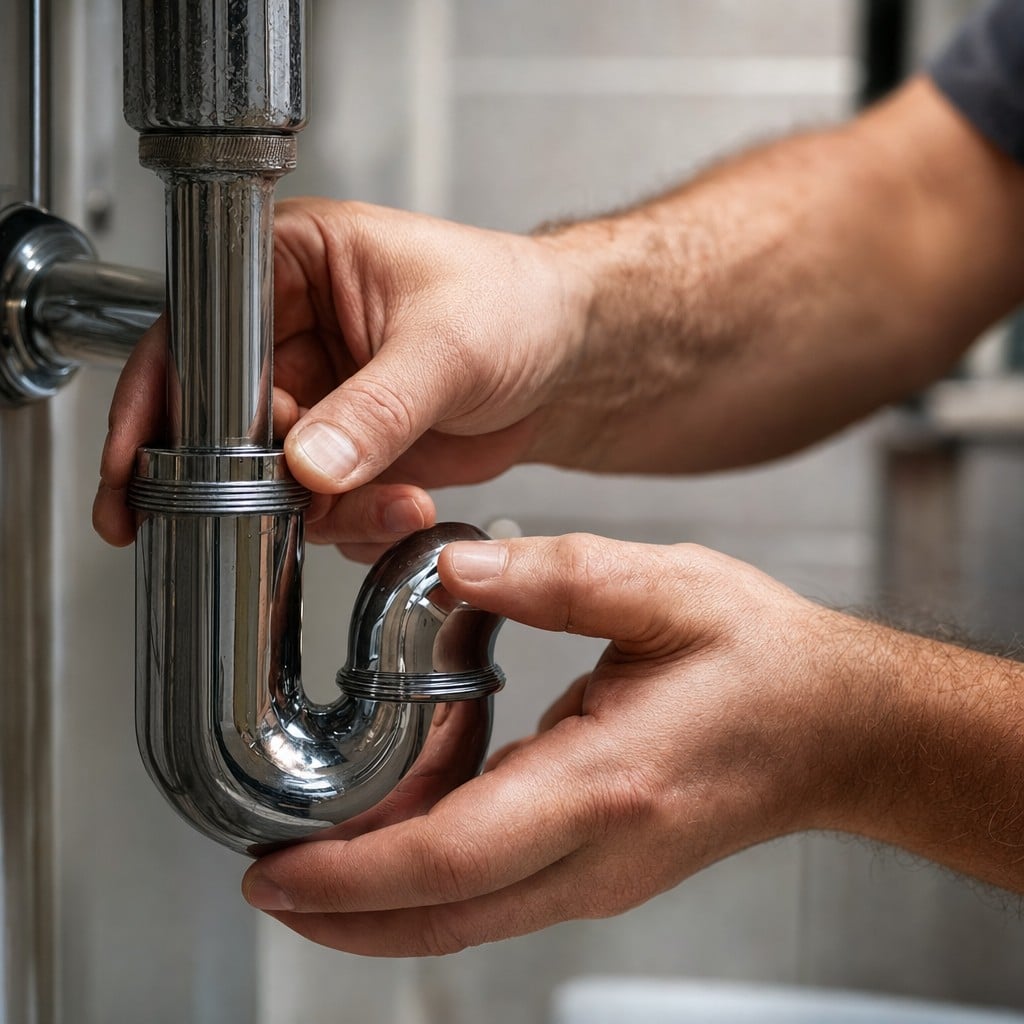
A bathroom renovation carried out without plumbing rigor quickly causes leaks, water infiltration into walls and costly damage. Common mistakes are often poorly sealed connections, insufficient slopes for drainage, or inadequate protection of wet areas. Good preparation and coordination with an experienced professional will help you avoid these problems and secure your investment.
Understanding plumbing challenges in the bathroom
The bathroom combines multiple challenges: hot water, cold water, wastewater drainage, and above all permanent humidity. Each element must be carefully calculated and installed with precision.
The main risks are:
- Leaks at connection points for sinks, showers or bathtubs
- Water infiltration behind finishes (tiles, panels) due to lack of waterproofing
- Drainage problems: poorly sloped pipes, frequent blockages, odours
- Premature corrosion of pipes that are undersized or poorly protected
- Absence of a check valve, causing backflow of wastewater
Each of these defects becomes very costly to repair afterwards, as walls must be broken through, tiling redone, and the structure may even need to be dried out.
Preparing your renovation project properly
Preparation is the key to avoiding mistakes. Before you start, have a clear vision of what you want: relocation of water points, shower enlargement, addition of a bidet or modification of the water heater.
Essential steps:
- Precisely note the current locations of water inlets and drains
- Record the diameters of existing pipes and the condition of the drainage system
- Identify where heating runs (radiator, underfloor heating) to avoid conflicts
- Define the hot water source: water heater, boiler, coupling to a heat pump
- Plan the areas that must be waterproofed (walk-in shower, bathtub, areas near walls)
- Establish a schedule: which trade works first (plumber, electrician, tiler)
The more documented and clear your project is, the fewer surprises and costly adjustments on site.
Coordinating interventions: plumbing first
The order of work is critical. Plumbing must be installed, tested and approved before any other intervention.
Logical sequencing:
- The plumber installs pipes, connections and water points
- Pressure tightness test: verification that no leaks exist
- The electrician installs circuits and outlets (without damaging pipes)
- Installation of partitions, panels and preparation of areas to be tiled
- Complete waterproofing before tiling
- Tiler and finishes
If the tiler starts before plumbing is tested and approved, you will discover a leak too late. Conversely, if the electrician pierces a pipe, it becomes a very costly emergency intervention.
Critical points not to neglect
Certain details make all the difference:
- Seal joint integrity: each connection must be sealed with an appropriate product (silicone, plumber's mastic, or mechanical fitting). No connection should leak
- Slope of drains: water must flow naturally, without stagnation. Insufficient slope creates blockages and odours
- Protection of wet areas: shower, bathtub, areas near walls require a waterproof membrane before tiling
- Check valve: prevents wastewater from backing up in case of problems in shared drainage systems
- Ventilation: powerful air extraction limits humidity and mould, also protecting pipes
- Future access: plan for hatches or locations to access taps, check valves or elbows without breaking everything
Working with a plumbing expert
Calling on a professional experienced in bathroom renovation helps you avoid mistakes. An expert will be able to:
- Assess the condition of existing pipes and recommend replacement if necessary
- Correctly size diameters and flow rates based on your needs
- Position water points ergonomically and safely
- Advise on waterproofing and materials suitable for your region
- Coordinate with other trades to keep to schedule
- Perform pressure and reliability tests before walls are closed
- Provide you with a plan and documentation of work completed
A clear and detailed quote should specify all services, materials used, planned tests and execution time. Do not look for the cheapest option: a poorly executed renovation costs much more to repair.
The importance of documentation
After the work, request a record plan: it shows exactly where pipes run, their diameters, flow rates and connections. This document is invaluable if you need to intervene later or if you sell your property. It also proves that the work complied with standards.
Frequently asked questions
How long does a complete bathroom renovation take in terms of plumbing?
Allow 3 to 5 days for installation and testing, depending on the complexity of the project. Timelines depend on the number of water point relocations and the condition of existing pipes. The larger the project, the more time you need to allow.
Can I keep my old copper piping or must I replace everything?
If your copper does not leak and is in good condition, you can keep it and connect to it. However, old lead pipes must be replaced for health reasons. A professional can assess the condition and recommend a change if necessary.
What happens if a leak is discovered after tiling?
This is the scenario to avoid at all costs: tiles must be removed, the pipe repaired, waterproofing redone and retiled. The cost is doubled or tripled. This is why pressure tests and waterproofing before tiling are non-negotiable.
---
WK Haustechnik, in Bassersdorf, supports homeowners and builders with their bathroom renovations. Our team has expertise in waterproofing, connections and coordination with other trades. Contact us for a free quote and on-site visit by calling +41 79 558 84 30.